


Cross-Strait relations in the Lai era
On May 20, Lai Ching-te was inaugurated as Taiwan's new president, prompting significant military...
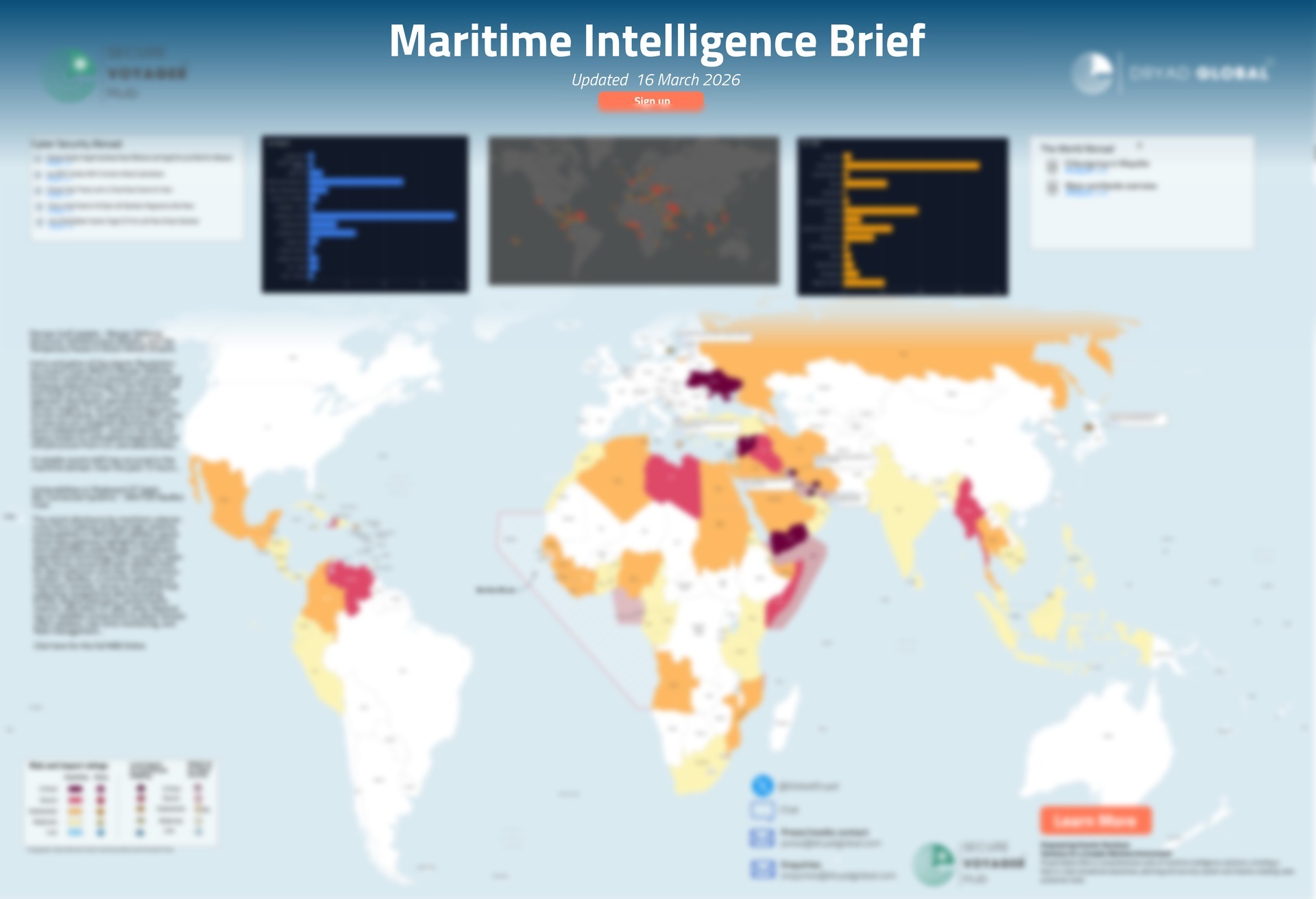
Persian Gulf risk is shifting not through constant vessel attacks, but through a decentralised posture, infrastructure pressure, and fast-moving uncertainty in the Strait of Hormuz.
This week’s Maritime Intelligence Brief assesses how Iran’s IRGC “Mosaic Defence” doctrine changes the operational picture: authority is distributed across semi-autonomous provincial commands, enabling local units to execute asymmetric missions even when central leadership and infrastructure are degraded.
Alongside the Gulf update, this edition highlights a live cyber risk for ship operators: newly disclosed high-severity vulnerabilities affecting NAVTOR’s NavBox operational data gateway a reminder that satellite-connected shipboard OT systems remain a high-value target surface.
Subscribers receive the complete assessment and supporting detail, plus wider global tracking across key maritime regions and the week’s most relevant security and cyber developments.
Subscribe here to access the full analysis:


Maritime piracy has long haunted global shipping and remains a constant threat, not only to..
Dryad Global’s latest Maritime Intelligence Brief, updated 9 March 2026, highlights a risk..
Iranian cyber operators pulling live AIS data before a missile launch. U.S. bombers circling the..
Press/media contact
Email Us
General Enquiries
Contact Us Here

© 2024 Dryad Global. All Rights Reserved